

Services
Buy it, measure it, and make the spot that runs in it
Four services that are normally bought from four different companies. Running them together is what makes each one work harder.
Streaming TV Advertising
CTV and OTT with program-level placement and household targeting.
Traditional TV Advertising
Broadcast and cable, negotiated market by market.
Customer Intelligence Data
Audience targeting and attribution that ties exposure to outcomes.
Full Scale Production
Concept through final delivery, cut for every placement you buy.
01 — Streaming TV Advertising
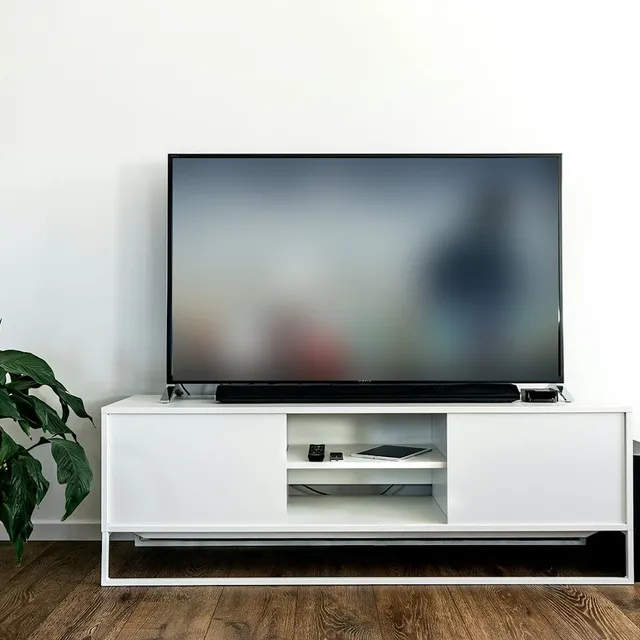
Connected TV without the wasted impressions
Pinpoint placement
Name the program, the sport or the network. Your spot runs there — not in whatever a rotator had left over.
Street-level geography
Target a zip code, a radius around a location, or the specific neighbourhoods you serve.
Cross-device follow-through
Reach the same household on phone and desktop after the TV impression, so the message compounds.
Frequency caps and pacing
Control how often a household sees you, so budget goes to reach instead of repetition.
02 — Traditional TV Advertising
Broadcast and cable, bought by someone who knows the market
Market and station planning
Which markets, which stations, which programs — chosen against where your customers are, not where inventory happens to be cheap.
Rate negotiation
Every schedule is negotiated directly. Rate cards are an opening position, and we treat them that way.
Live sports and news
The appointment viewing that still draws a crowd — in-game NFL and college, local news blocks, top-rated syndication.
Post-buy reconciliation
We check what actually aired against what was bought, and collect make-goods on the difference.

03 — Customer Intelligence Data
Find the right households, then prove you reached them
Audience building
Demographics, household income, purchase intent, life events, credit band, past behaviour — combined into an audience worth paying to reach.
Website and call attribution
Match exposed households to visits, form submissions and phone calls, so the campaign is judged on business, not impressions.
Competitive and market context
What competitors are spending and where, so your plan is built against the real landscape.
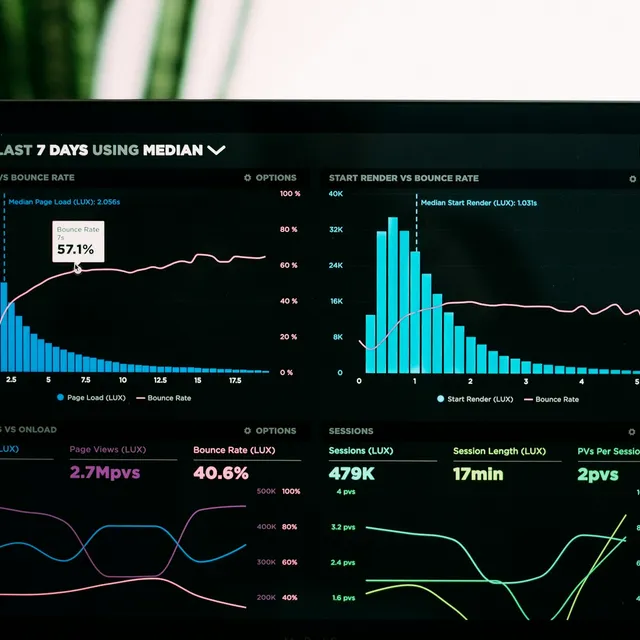
Reporting you will actually read
A live dashboard, plus a person who walks you through what changed and what we are doing next.
04 — Full Scale Production
The spot, made for the placement it is going into
Concept and scripting
Built around the offer and the audience, not a template with your logo dropped in at the end.
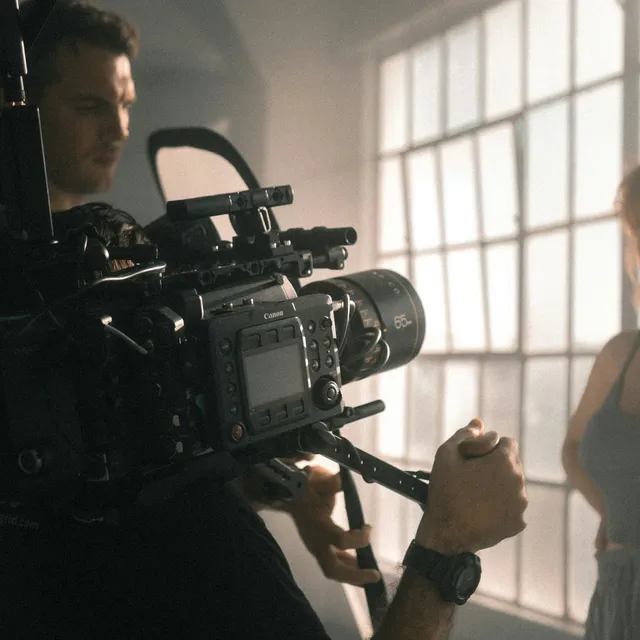
Production and direction
Crew, location or studio, talent and direction — handled end to end.
Edit, graphics and audio
Finishing, motion graphics, colour and mix, delivered to broadcast and platform specs.
Cutdowns for every channel
The 30 becomes a 15, a 6-second bumper and vertical social cuts, so one shoot feeds the whole plan.
Working together
Start with any one service, or hand us the whole thing.
Campaign management
Ongoing planning, buying and optimisation across broadcast and streaming.
Project work
A single production, a seasonal flight, or a one-off market test.
Second opinion
Send your current plan and invoices. We will tell you what we would change, no obligation.
Not sure which one you need?
Most conversations start with a look at what you are running now. Thirty minutes is usually enough to tell.